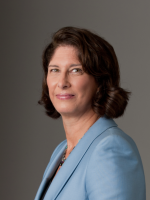
AILSA CHANG, HOST:
OK. We turn now to hear what's on voters' minds in Georgia. Some of them say that they plan to cast their ballots to check President Trump's power. At least that's one takeaway from new focus groups. NPR senior political correspondent Mara Liasson observed those focus groups and joins us now. Hi, Mara.
MARA LIASSON, BYLINE: Hi there.
CHANG: OK. So just to remind everyone, these are the monthly focus groups that you observe with voters who backed Joe Biden in 2020 before swinging to Trump two years ago, right? And these were the last pair of focus groups before the midterms that...
LIASSON: Correct.
CHANG: ...You're observing, right?
LIASSON: Correct.
CHANG: So what stood out to you?
LIASSON: What stood out to us is that all year long, we have been watching for something. Voters, by and large, disapproved of the president, even though they voted for him in 2024, especially on the economy. But until now, they haven't seemed to connect their vote in the midterms with their feelings about Trump.
But now we seem to have reached a tipping point. They're talking much more strategically about casting a ballot for Democrats in order to check the president's power. This seems to have coincided with the stronger disapproval of Trump. Every focus group, we ask voters for one word to describe how they feel when they see Trump on the screen. These are some of the Georgia voters.
UNIDENTIFIED GA VOTER #1: Cringy.
UNIDENTIFIED GA VOTER #2: Frustrated.
UNIDENTIFIED GA VOTER #3: Disgusted.
UNIDENTIFIED GA VOTER #4: Depressed.
UNIDENTIFIED GA VOTER #5: Irritated.
UNIDENTIFIED GA VOTER #6: Disgusted.
CHANG: Dang. OK. Did the voters say a bit more about why they felt so - well, at least the term - to use their term - disgusted?
LIASSON: Yes, they did. And here's some more tape from another voter. This is Michelle. She offers a pretty straightforward explanation. And by the way, we only use first names of voters.
MICHELLE: I voted for Trump in the last election, which was new for me, mostly because I felt like he spoke real. And I feel like he hasn't done any - I just - he hasn't done any of the things he said he would do. He's done a lot of things that he didn't say he would do that I feel are extremely detrimental, and realness has moved to embarrassment for me.
LIASSON: So these voters feel betrayed. They believed him when he said he would bring prices down and wouldn't get into any more wars. Now they say they're more economically anxious than they were before Trump took office. Specifically, each one of them said there are things that they've cut back on, like eating out or going on vacation. And more importantly, they're drawing a direct line from the decisions that Trump has made to raise tariffs or go to war and the struggles they're having to make ends meet.
CHANG: And, Mara, you mentioned that these voters that you heard from this week, they're now linking their feelings to their votes. Can you say more about that connection?
LIASSON: Yeah. You know, President Trump has been telling rally crowds and Republicans, pretend I'm on the ballot. And these voters are listening to him. They do see him as being on the ballot. He's trying to juice turnout for his base, but it also means that the midterms are very clearly a referendum on him.
I want to play tape from one last voter. This is Jennifer. She's a Republican. She says, on net, she still approves of Trump. She was the only one of our focus group who said that. But yet here's what she said about how she'll vote in the midterms.
JENNIFER: If I see somebody who is blindly a Trump supporter, I would not vote for that person because, you know, it worries, well, did they really have the best outlook for us in their mind?
LIASSON: So this is someone who is a Trump supporter, still is interested in someone pushing back on him, someone who is a check. And we heard from some of these voters that they feel like divided government, a Democratic Congress would provide some of the stability that they're seeking.
CHANG: Any other takeaways from these final focus groups?
LIASSON: Yes. One of the things that I - we've been seeing is this convergence of economic populism from the left and the right. Even Trump voters talk about taxing billionaires. They feel that the government should do more about wealth inequality. And also, they feel like the American dream is no longer alive and well, and that's something really fundamental to American politics. If voters aren't optimistic, it means we could have instability.
CHANG: That's for sure. That is NPR's Mara Liasson. Thank you, Mara.
LIASSON: Thank you. Transcript provided by NPR, Copyright NPR.
NPR transcripts are created on a rush deadline by an NPR contractor. This text may not be in its final form and may be updated or revised in the future. Accuracy and availability may vary. The authoritative record of NPR’s programming is the audio record.