

Jeff Z. Klein (Niagara Frontier Heritage Project)
-
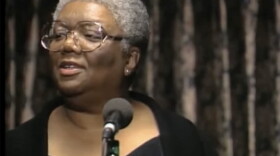 Buffalo has produced a number of prominent poets. But when Langston Hughes chose the work of Lucille Clifton, a then little-known poet from the East Side, for inclusion in his influential 1970 anthology “The Poetry of the Negro, 1746-1970”, it kicked off Clifton’s long career as one of America’s most beloved bards.
 -
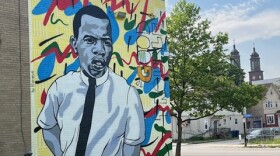 When John Lewis, the last of the great figures of the Civil Rights era, died at age 80 in 2020, Americans reflected with near-universal admiration on a life well lived. And, thanks to Lewis himself, they knew of the pivotal role that Buffalo played in molding this national icon.
 -
 On Feb. 13, 1938, Harugari Hall at 1257 Genesee Street near Kehr was jam-packed. An SRO crowd of 700 was on hand for a rally staged by the German-American Bund, a pro-Nazi group. But not everyone at the hall that night was there to listen to the speakers’ message of hate.
 -
 Mary Elizabeth Johnson Lord was a prominent Buffalo matron. “Kind to all animals herself, it pained her to see them abused,” as one local newspaper put it. Now, more than a century and a half later, if they could, they’d still be thanking her.
 -
 Since the very first NHL game ever played in Buffalo, way back in October 1970, the pregame ceremonies have featured the singing of both the Canadian and American national anthems. Every night, every day, always.
 -
 The early history of Buffalo’s gay and lesbian community is lost, mainly because same-sex affection was so thoroughly stigmatized by society at large. It was, in the famous phrase of the 19th century, the love that dare not speak its name. But luckily, the city’s later LGBTQ history is known to us – largely through the remarkable efforts of two scholars who reconstructed what queer life was like in Buffalo from the 1930s to the early ’60s.
 -
 The influx of Asian, African, and Middle Eastern refugees into Western New York and Southern Ontario is nothing new. Immigrants, refugees, and seekers of asylum have been coming to the Niagara Frontier literally for centuries.
 -
 The thoroughbreds have been running at Fort Erie Race Track since 1897, but ask any railbird there which horse took the old border oval’s wildest ride, and they’ll all tell you the same thing: Puss N Boots.
 -
 A whole generation of Americans still knows it by heart: A man shouts, “Hey, kids, what time is it?” And several dozen children shout back in chaotic unison, “It’s Howdy Doody time!”
 -
 Charles Burchfield, 28, was already an accomplished watercolorist when he moved to Buffalo from Salem, Ohio, in November 1921 to take a job as a designer at the M.H. Birge & Sons wallpaper company. But in 1925, he really found his home.


